
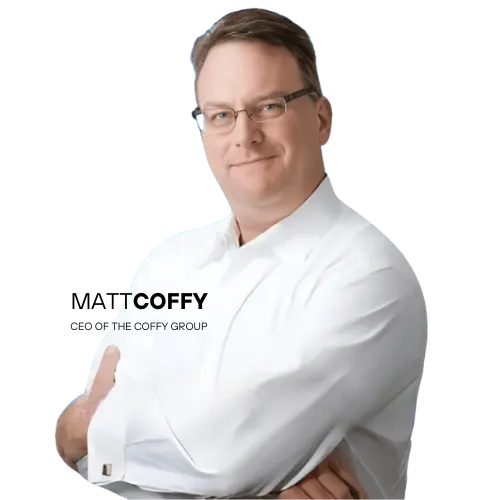
Earn More, Work Less, And Enjoy Life!
Learn how I create a $100K/month lean business, attracting my dream clients, generating steady inbound leads, and converting them with ease.
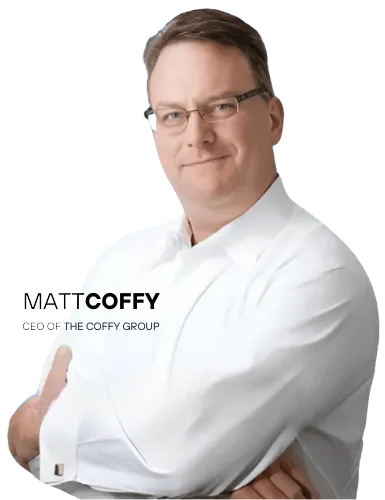
FEATURED SPEAKER AND PRESENTOR





Meet Matt Coffy
Coach | Performer | Speaker | Author | Recording Artist
I’m passionate about helping people transform their lives, not just their businesses. Personal growth isn’t about staying the same; it’s about building the person you want to become. The individuals I’ve worked with have become lifelong friends, and I celebrate their progress every step of the way.
What started as a challenge has grown into a movement that empowers people to change and succeed, both personally and professionally.
It's more than business—it's about creating a life you love.

Marketing Innovator
Blending data, creativity, and strategy for growth.

Dynamic Speaker
Engaging audiences with digital trends and AI insights.

Trusted Advisor
Scaling businesses with proven, actionable strategies.

A visionary creative consultancy dedicated to driving sustainable profitability and long-term growth for your business.
ProfitEngines is a boutique advisory agency I started with over 15 years of experience as an entrepreneur and digital marketing expert, with a focus on business services sectors. Over the past decade, we’ve been a trusted partner for over 1,000+ small businesses.
Phone: 908-531-6768
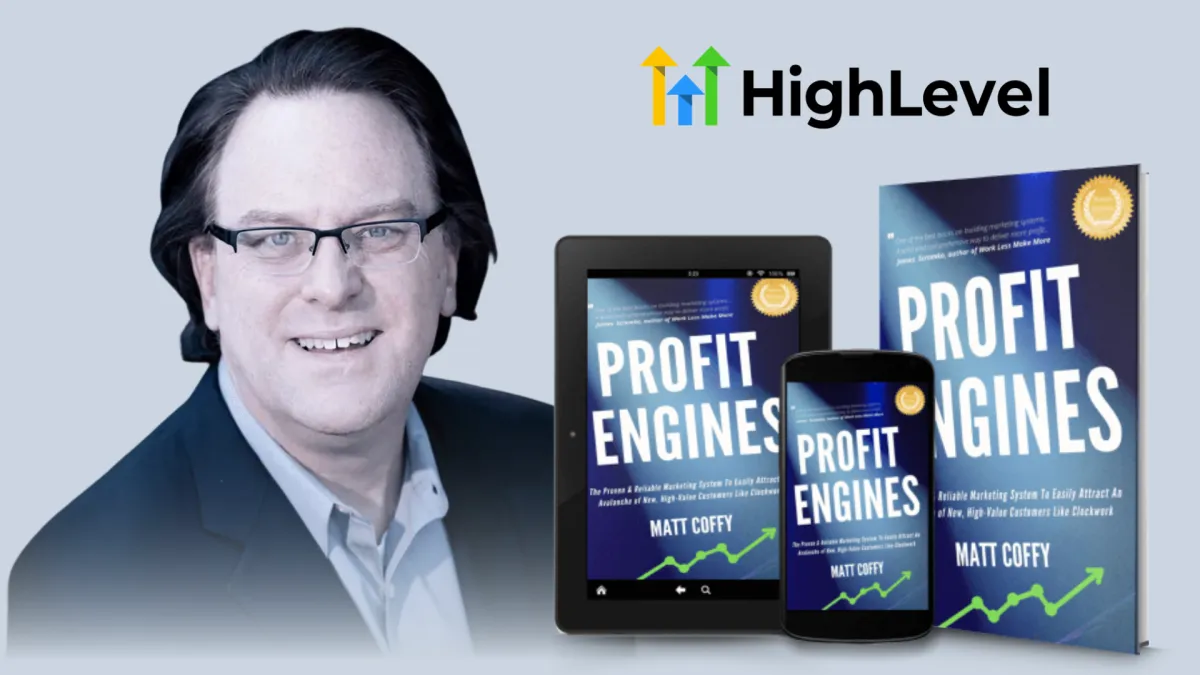
Founder & CEO
Founder & CEO
A visionary creative consultancy dedicated to driving sustainable profitability and long-term growth for your business.
ProfitEngines is a boutique advisory agency I started with over 15 years of experience as an entrepreneur and digital marketing expert, with a focus on business services sectors. Over the past decade, we’ve been a trusted partner for over 1,000+ small businesses.
Phone: 908-531-6768
Guiding over 1,000 global businesses to success with unmatched marketing expertise.
I’m motivated to enable entrepreneurs with a passion to create a business that will allow them to serve their audience and
create abundance for themselves, their family, and their community.
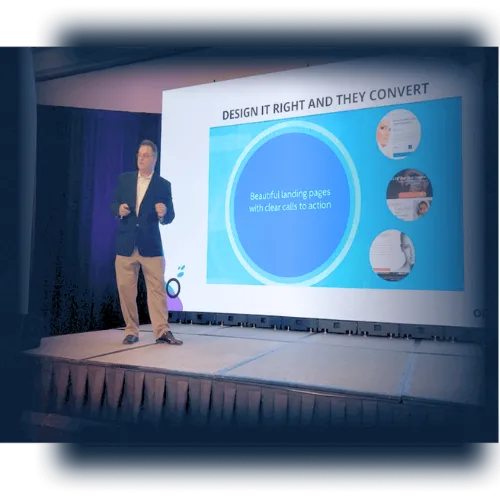
Simple Steps to Success
No matter where you do business—locally or globally—I can help you achieve your online goals faster and more efficiently. You'll enhance your services, attract more traffic, and boost sales across your website, phone, email, or in person.
Here are just a few of the things I can help you with that we can create together:
Build a market-dominating business that customers choose as their only option—regardless of price.
Dramatically boost leads and conversions with better marketing—no extra ad spend needed.
TESTIMONIALS
My happy clients!
"Exceeded my expectations!"
"ProfitEngines exceeded all my expectations! They optimized Door Boy’s online presence and brought in a steady stream of leads. Their innovative approach and attention to detail have made a huge impact on our business, and I highly recommend them."
- Richard Salinas

"I'm so impressed."
"I’m so impressed with what ProfitEngines has done for Diamond Rock Spring Water. They helped us stand out in a crowded market by showcasing the quality of our products and services. Thanks to them, our delivery orders for both homes and businesses have grown significantly."
- Rich Picinich
"A game-changer for my practice."
"Working with ProfitEngines has been a game-changer for my practice. Their team did an amazing job highlighting my expertise as a scoliosis surgeon, and I’ve seen a noticeable increase in patient inquiries. They truly understand how to connect with my audience, and I couldn’t be happier with the results."
- Dr. Baron Lonner
Interested in discussing more? Let's have a chat!
Click the link below to schedule a time and date convenient for you to meet. I'm looking forward to growing your business with you!

QUICK LINKS
SOCIAL MEDIA LINKS


Copyright 2026. ProfitEngines. All Rights Reserved.